COP31: Will It Really Be the COP of Implementation?
COP31: Will It Really Be the COP of Implementation?
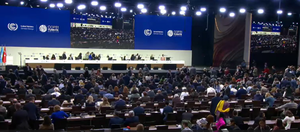
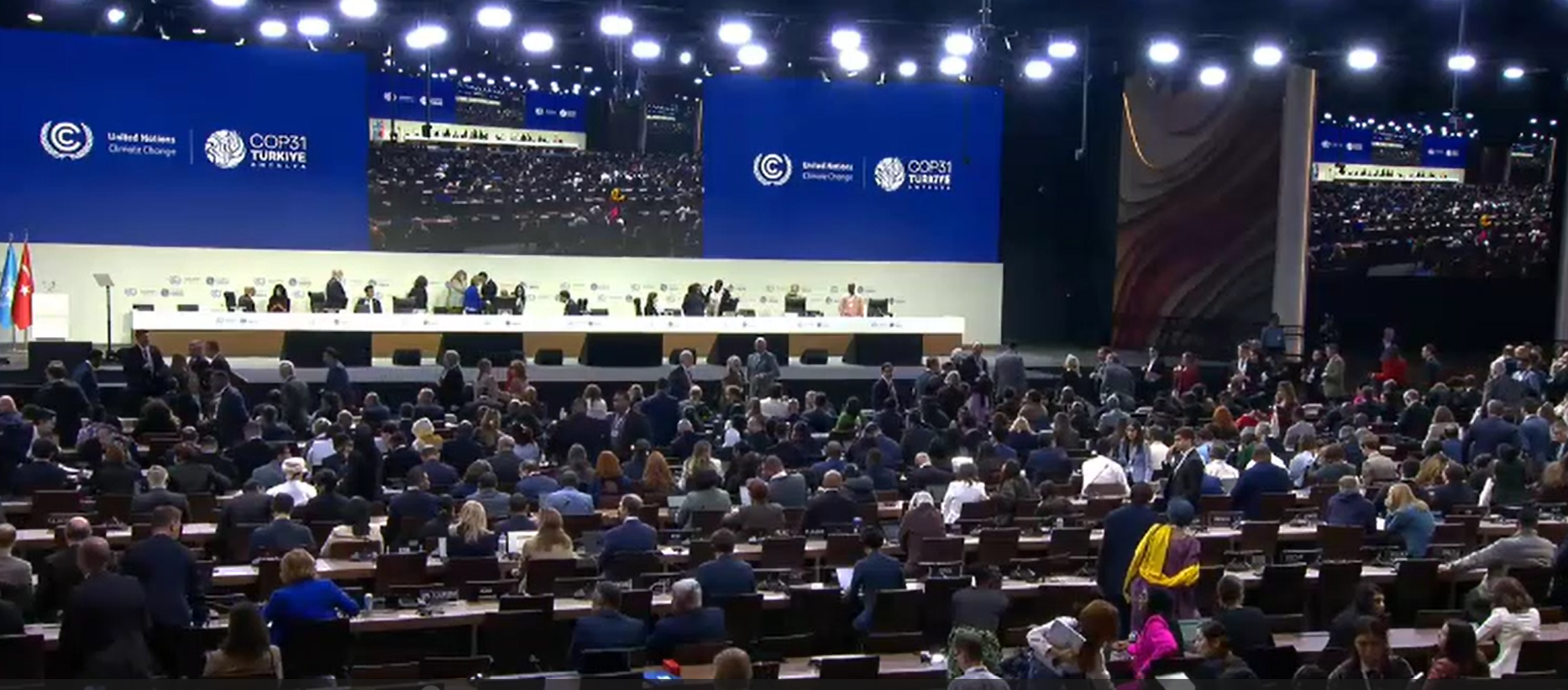
The 31st United Nations Climate Change Conference opened this morning in Antalya, Türkiye. The joint presidency of Türkiye and Australia expressed confidence, with Murat Kurum, the Turkish President of COP31, urging delegates to act. According to him, this conference must be the ‘COP of Implementation’, focusing on narrowing the gap between negotiated commitments and real-world results.
“To be frank, what people expect from us is to ensure progress following these negotiations,” he underlined.
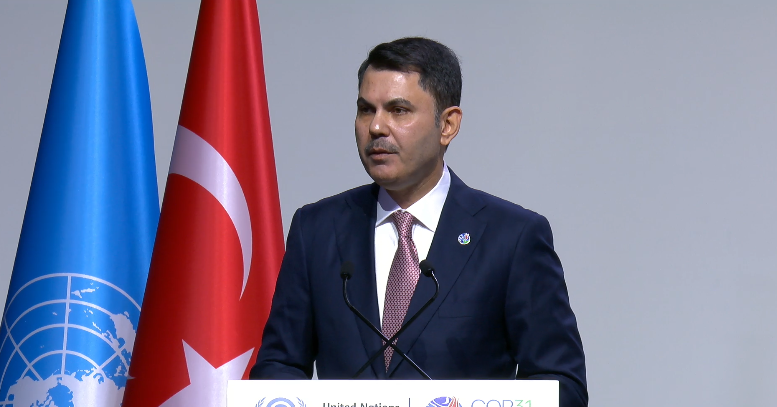
Kurum promised that the Presidency will seek to bring countries together beyond geopolitical and economic divides. He asserted that there will be “no decision imposed from the top” and that work will proceed in a “clear, open, and transparent” manner.
Adaptation Finance at the Heart of Tensions
However, the challenges are colossal, particularly regarding the means of implementation. Ghana, speaking on behalf of the African Group of Negotiators (AGN), recalled a fundamental reality for the continent. “Implementation depends on means of implementation […] An implementation COP must therefore be a COP that delivers on finance, ” said Nana Antwi-Boasiako Amoah, the chair of the AGN group emphasizes.
The central objective for Global South countries, particularly in Africa, is to secure a tripling of adaptation finance. It is a decision in line with the commitments made last year in Belém, Brazil. However, the inclusion of this core issue of adaptation finance as a standalone item on the agenda was excluded from direct negotiations this year.
The African Group of Negotiators lamented this outcome while raising another key concern: trade. The AGN asked for clarity, warning against the impacts of unilateral policies on the continent’s economic development. “Trade-related climate measures impact African economies. They shift the burden of the transition on to developing countries and threaten our industrialization, contrary to Article 3.5 of the Convention,” highlighted the AGN chair during the plenary.
Who Will Fund the Green Climate Fund?
Another major concern for the Africa Group is the Green Climate Fund (GCF). The AGN urged the COP to urgently assess the fund’s actual needs. With its third replenishment approaching, “the determination of funding necessary and available for the Green Climate Fund” must be ensured, the group notes. But who will fund it? The question remained open, according to observers.
One of the main difficulties of this plenary session thus lay in the framing and the lack of explicit inclusion of adaptation as a standalone agenda item within the Climate Finance Work Programme.
A Questioned Procedure?
On the United Kingdom’s side, the stance was nuanced. “We would have welcomed explicit recognition that adaptation finance will be an important part of discussions under the Climate Finance Work Program,” stated its representative. The British delegation nevertheless expressed reassurance. “Adaptation finance is not an orphan and will continue to be taken forward in our process,” its representative explained.
In contrast, the European Union shows deep concerns over procedural and methodological matters. “We must note that we remain deeply concerned about the process that led to the agenda item, the Climate Finance Work Program, ” said the group of 27 countries.
The EU recalled the history and strict limits of the mandate established in Belém (COP30). “We reiterate our view that the decision did not establish an agenda item on the Climate Finance Work Program, the group explained. And it added: the two-year climate finance work program has an agreed scope and mandate from Belém. It will end automatically after two years at CMA 9.”
The EU reminded delegates that it intends to “implement climate finance decisions” and maintain its support for tripling funding by 2035 for the most vulnerable countries (LDCs and SIDS). However, it remained firm regarding trade discussions, calling for respect for past consensus. “When this matter was previously considered in Belém, the CMA reached a consensus decision to address this matter, not with an agenda item, but specifically through three annual dialogues. And the group added: ” We reiterate that maintaining trust in multilateral negotiations requires that we honor the consensus decisions that we adopted.
For Simon Stiell, Executive Secretary of the UNFCCC, this remains an absolute necessity. “Consensus remains at the heart of the process,” he said in his opening statement.
By Houmi Ahamed in Antalya
Note: Türkiye serves as the host country running the Action Agenda, while Australia leads the formal negotiations as President of Negotiations.