COP31: Antalya enters its final days
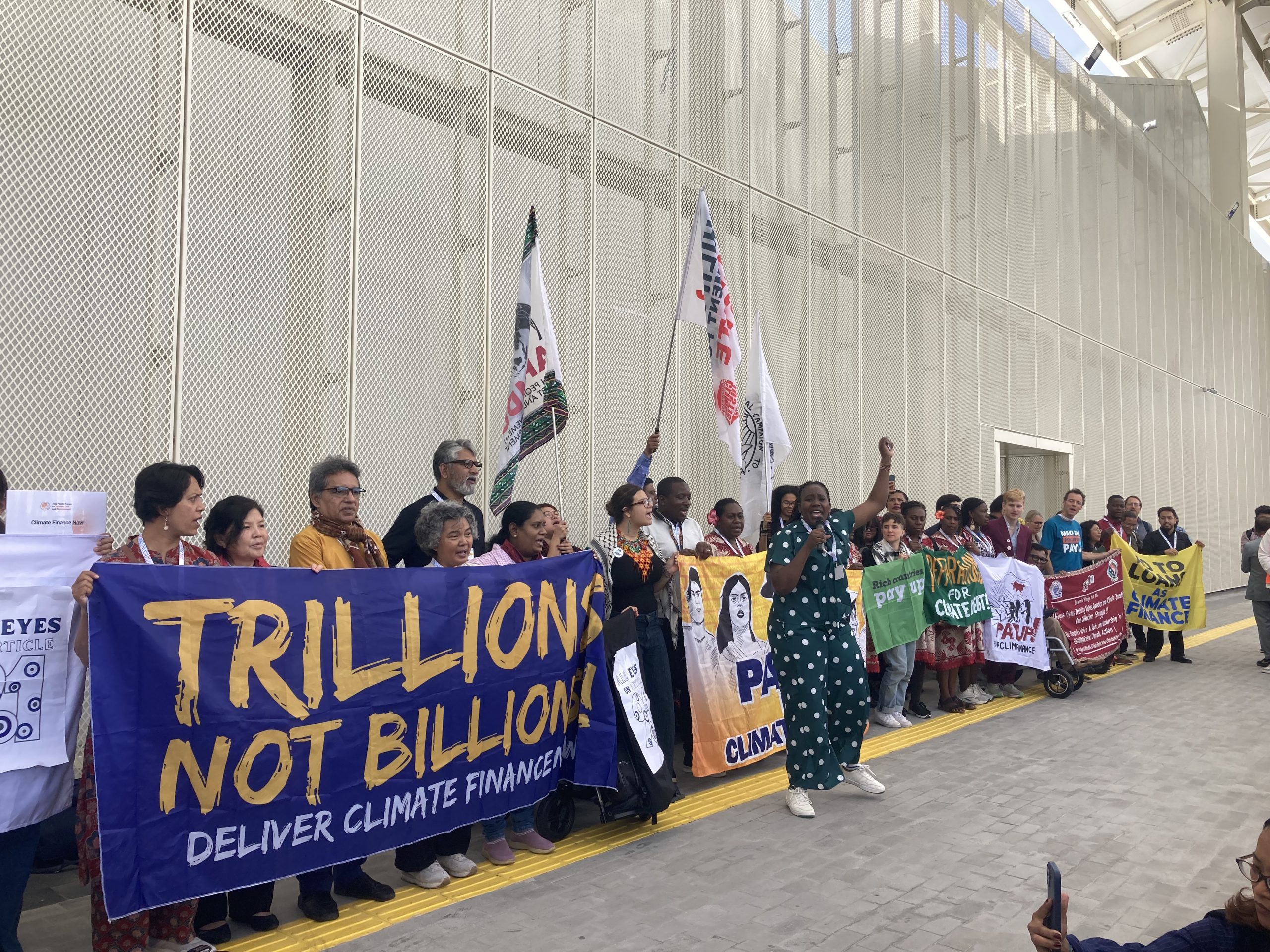
COP31 enters its final days
Ahead of its scheduled close on November 20, the diplomatic temperature in Antalya is rising. The UNFCCC released an 18-page draft cover decision. This text was released Monday afternoon by the COP31 Presidency. Unveiling the text early in the second week, COP31 President of Negotiations Chris Bowen argued the move was deliberate.
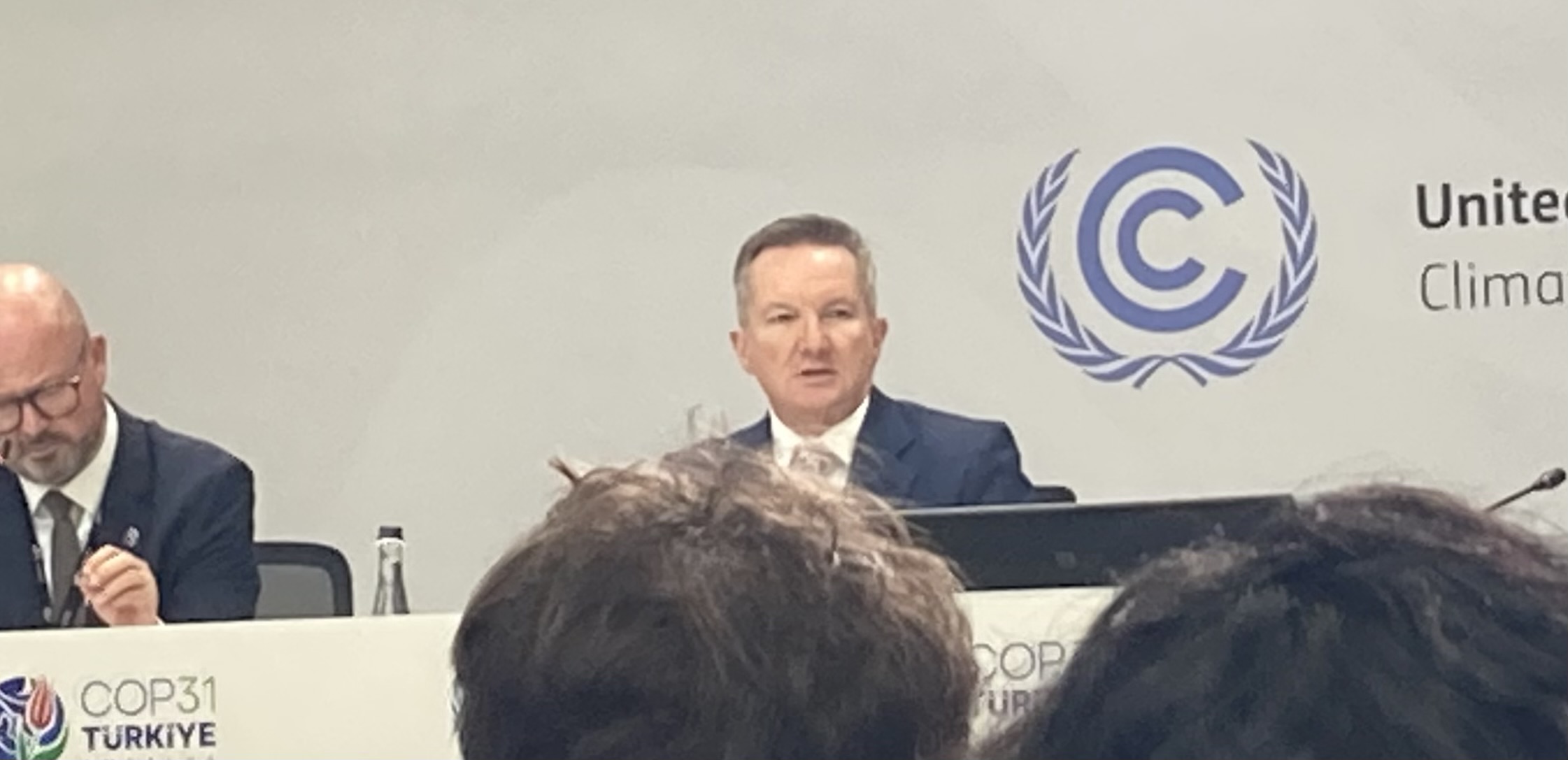
First draft text
It is designed to give arriving ministers sufficient time to negotiate consensus around flagship proposals, notably a “35-by-35” global electrification target. This means it should raise electricity’s share of final energy consumption to 35% by 2035. It should be alongside a parallel work program responding to exceeding the 1.5°C warming threshold.
“This is a first draft, not a final draft, which is very much to enable consideration over the next week,” Bowen told journalists at a press briefing following the release. He added: “There are elements in this draft that not all parties will agree on. That is a given.”
However, across the corridors of the COP and inside the closed negotiating rooms, a central question hangs over the conference. Will it be possible to land this deal by Friday?
Without a Landmark Vision ?
The unprecedented Türkiye–Australia co-presidency has drawn sharp scrutiny. Veteran observers voiced concern in the venue corridors. Previous summits enjoyed clear, unifying legacies, they said. Examples include the Cancún Agreements, the Paris Agreement, and Baku’s New Collective Quantified Goal (NCQG).

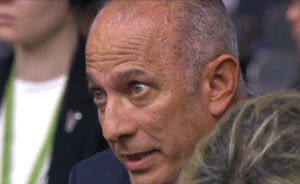
However, COP31 lacks a compelling overarching goal. One former African negotiator, now working as an advisor, argued this point directly. He highlighted confusion between the two hosts as a core problem.
“Unlike other COPs, this COP, for me, I don’t think they have a landmark dream that they would want to achieve,” he said.
Highlighting developed countries’ “historical responsibility,” the former African negotiator also expressed skepticism over whether voluntary initiatives can substitute for binding outcomes. Referring to Australia’s proposed climate finance initiative, he warned that it would not fly with developing nations: “You can’t say we agreed to access climate finance” through voluntary measures alone, he criticized.
“That’s not a lot of time”
For civil society, the core danger is that elevating a broad political cover decision into the centerpiece of the summit risks sidelining the technical rooms where binding rules must be finalized.
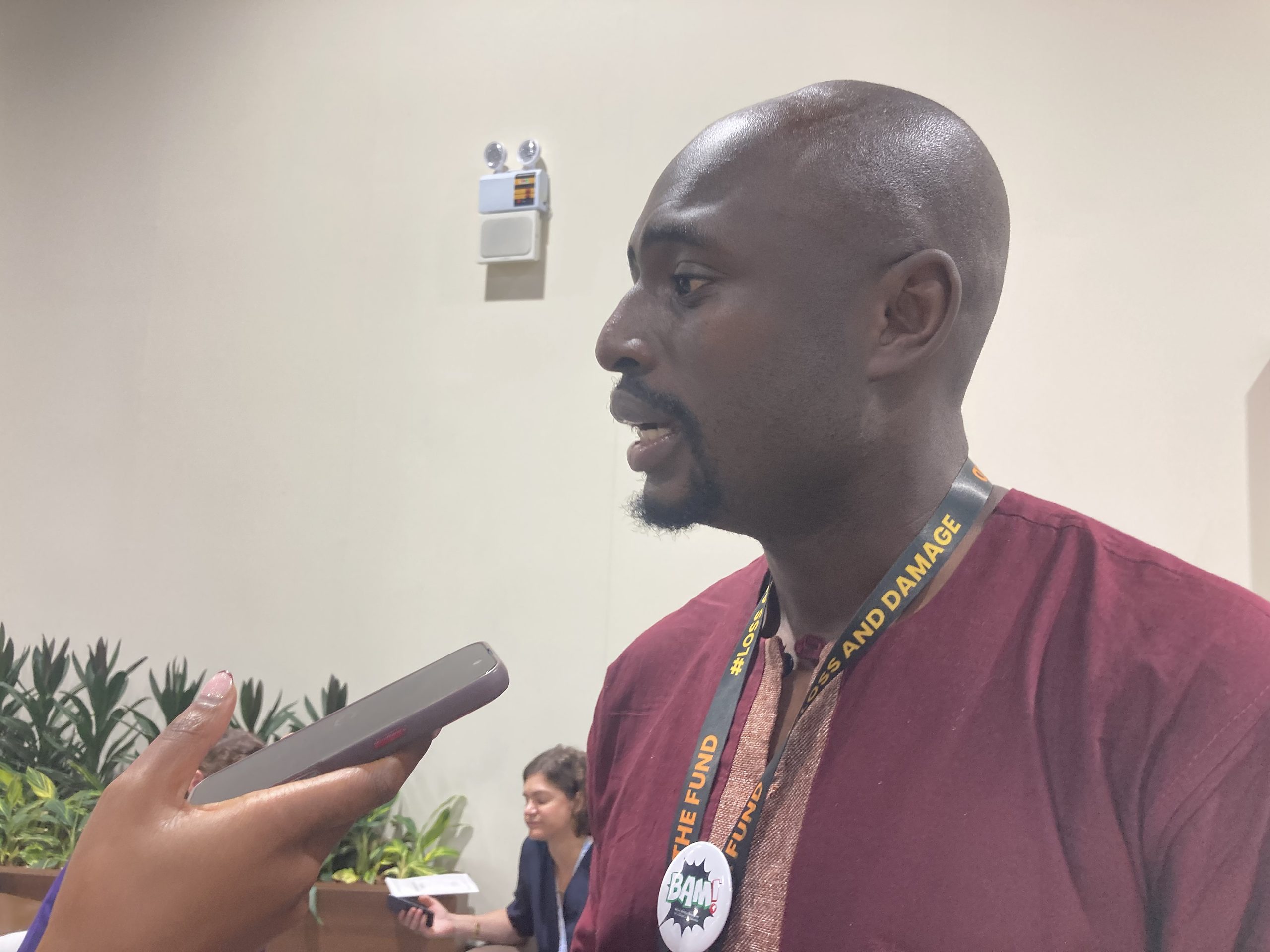
“Our fear is that we’re getting a distraction with the focus on the COP decision as the flagship issue, but actually the flagship issues are adaptation, just transition, and finance,” warned Kudakwashe “Kuda” Manjonjo from PowerShift Africa on the sidelines of the talks.
He explained: “If we focus on this kind of decision, we’re not going to get there. Because, for example, you then have to sort out all these issues around the format and how to get it through. And we’re only here for a few days. And that’s not a lot of time,” the PowerShift Africa representative noted during a civil society media briefing after the COP31 presidency press conference Monday afternoon.
At the same media briefing, Greenpeace Australia Pacific’s Simon Bradshaw noted that while the COP31 draft calls for an immediate transition away from fossil fuels, it lacks practical implementation and fails to explicitly link its flagship electrification pledge to displacing fossil fuels.
Geopolitical Red Lines
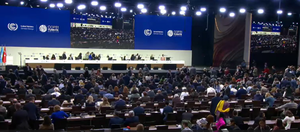
The procedural dispute that erupted in last week’s plenary, where Egypt’s veteran diplomat Ambassador Wael Aboulmagd, alongside China and the African Group (AGN), challenged the clarity and legitimacy of the presidency’s format, has carried straight into the ministerial phase.
According to the International Institute for Sustainable Development’s (IISD) Earth Negotiations Bulletin (ENB), Monday’s consultations brought sharp pushback. The Arab Group, Russia, the Like-Minded Developing Countries (LMDCs), and China rejected the draft cover text.
The LMDCs called the draft a violation of their red lines. These include the 35% electrification target by 2035, a fossil fuel transition roadmap singling out methane, and prescriptive mitigation options. The Arab Group and Russia outright rejected the text. Azerbaijan warned that the proposals contradict the UNFCCC process and undermine parallel negotiations.
Meanwhile, developing and climate-vulnerable blocs, including the African Group, Least Developed Countries (LDCs), the Alliance of Small Island States (AOSIS), and G-77/China, demanded that political headlines be matched with concrete financial delivery.
“Tripling adaptation finance is not a dream”
They insisted on operationalizing the goal to triple annual adaptation finance to at least $120 billion by 2035. They demanded clear baselines and tracking milestones in Antalya. These funding demands are anchored in developed countries’ legal obligations to provide public, grant-based support under Article 9.1 of the Paris Agreement, they claimed.
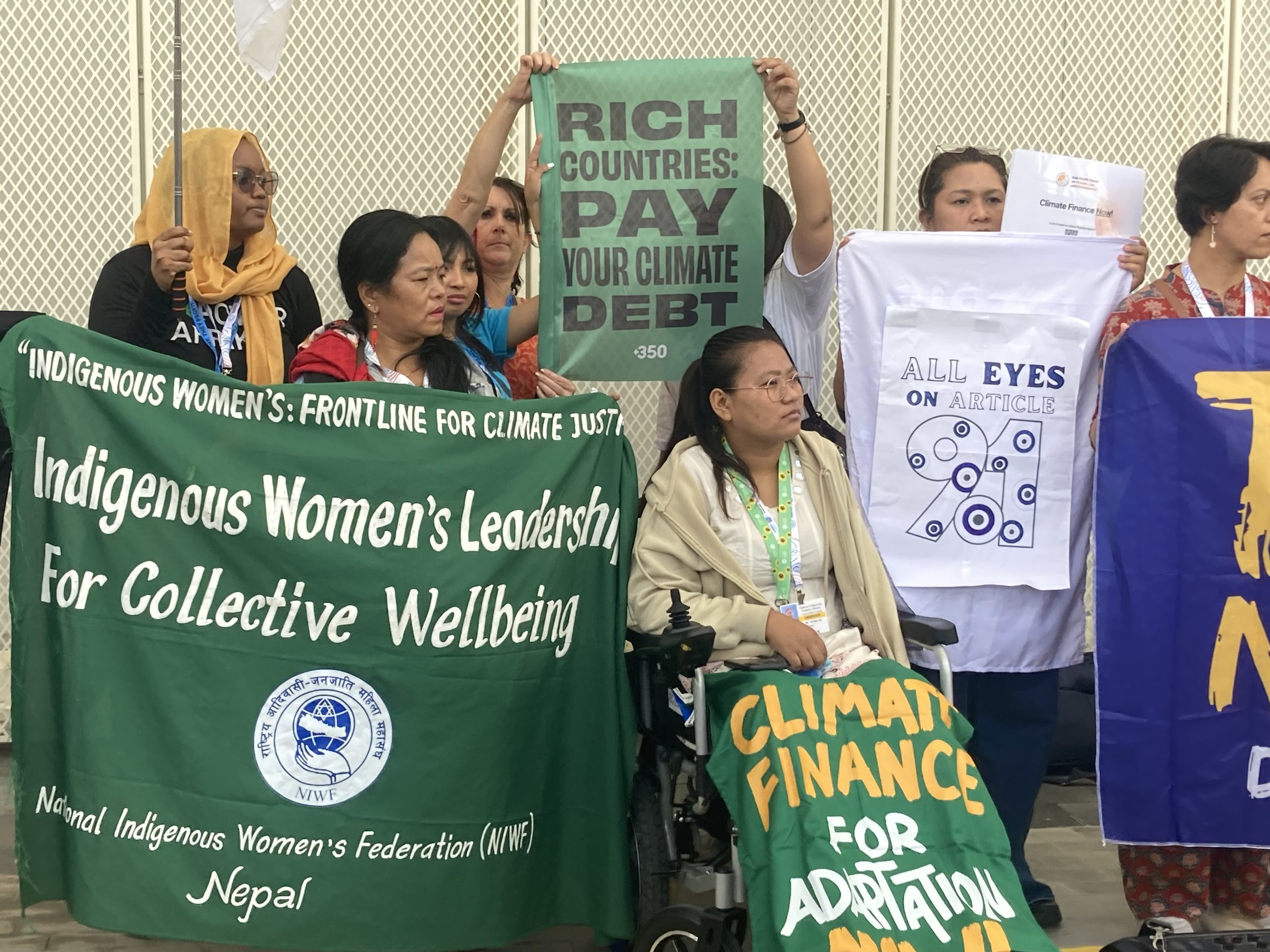
“Tripling adaptation finance is not a dream. It’s an obligation that has been put through this Paris Agreement to support Global South countries from the Global North by 2035,” Manjonjo stressed.
Across the finance rooms, developing blocs took a firm stand. According to the Earth Negotiations Bulletin, they rejected donors’ “no text” stall tactics. They opposed loan-heavy and blended finance mechanisms within the Global Environment Facility (GEF) and the Adaptation Fund.
Additionally, another key concern is worrying observers. The Adaptation Fund missed its resource mobilization target for the third consecutive year. Delegates, including the Alliance of Small Island States and the European Union, also issued strong warnings against language linking adaptation costs to “different warming increments,” arguing the wording effectively rewrites the Paris Agreement.
“This is the last year”
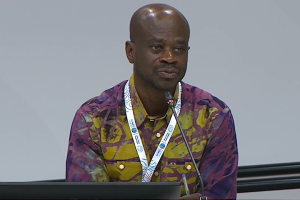
At the same time, developing nations are fighting to ensure the survival of the Mitigation Work Programme (MWP). Its mandate expires at the end of 2026. “This is the last year. If there is no agreement, that means it is going to die,” warned Malang Sambou Manneh, a Gambian negotiator and co-founder of the Mbolo Association, noting that while parties support continuing the programme, talks remain deadlocked over timelines and financial means of implementation.

According to the IISD report, developed countries like the EU, UK, Japan, Switzerland, and Canada are pushing for strong mitigation and 1.5°C overshoot language. They also want global financial flows aligned under Article 2.1(c). However, Washington withdrew from the Paris Agreement, leaving a geopolitical vacuum without an official U.S. delegation. In this context, the remaining donors have resisted new public budget mandates. They also opposed binding replenishment language for the Green Climate Fund (GCF) and Adaptation Fund.
The report also notes that the EU, Japan, and Switzerland opposed reaffirming their obligation to provide adaptation finance during the LDC consultations. Instead, they favored a “no text” option. They also called for streamlined texts rather than paragraph-by-paragraph line edits.
Moving Beyond the Negotiations ?
For negotiators and activists working closest to affected communities, the stakes in Antalya extend far beyond diplomatic phrasing. Sambou Manneh underlined that for vulnerable nations, mitigation is inseparable from daily survival. He pointed out that 600 million Africans still lack access to electricity, a figure unchanged for over a decade.
In a village in The Gambia, Sambou Manneh leads a clean cooking program with women. It features women-led solar mini-grids and practical toolkits. Independent power producers are also trained through grassroots initiatives like his own Fandema School. Through these examples, the proactive negotiator said he is bringing practical solutions to the table rather than waiting passively for aid.
“We are now fighting to prepare the menu together. If not, we will be on the plate,” he said.
That urgency was echoed by the former African negotiator, now an advisor, who pressed for tangible technology transfer to create green and blue jobs. Youth account for 30% to 60% of the population in many African countries. With roughly half facing unemployment, he warned that African governments cannot absorb young people into public-sector payrolls alone. “Our governments cannot recruit everyone,” he noted. “You need the private sector. You need the others to come in.”
Combined with demands from Indigenous Peoples and labor unions in the Article 6 carbon market talks to avoid “hot air” credits and protect human rights and Free, Prior, and Informed Consent (FPIC), the ultimate test of COP31 is clear: whether Antalya delivers real economic transformation on the ground before negotiations end on Friday.
By Houmi Ahamed