COP31: The Challenges Facing Tropical Forests
COP31: The Challenges Facing Tropical Forests
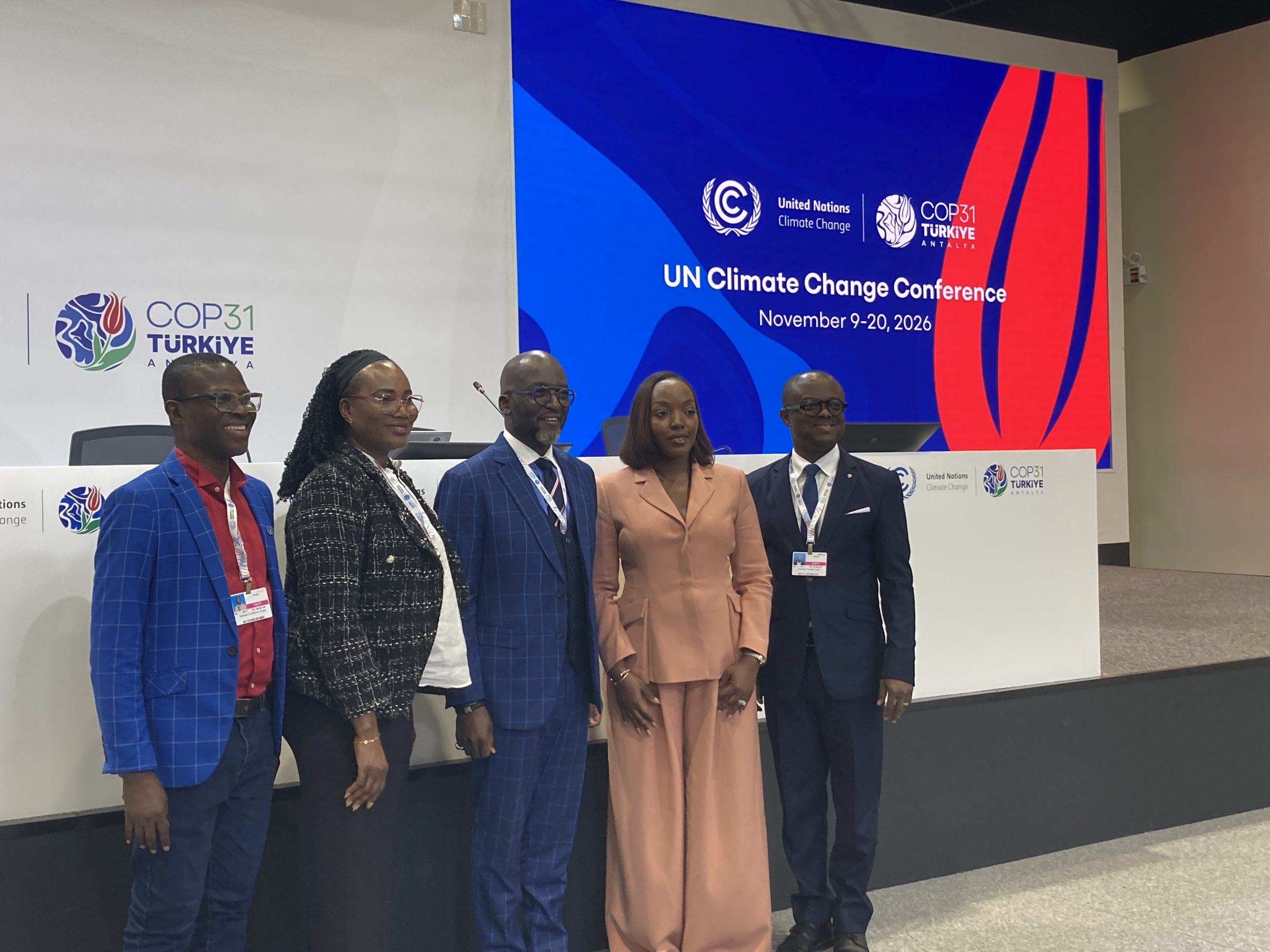
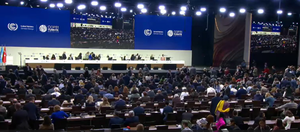
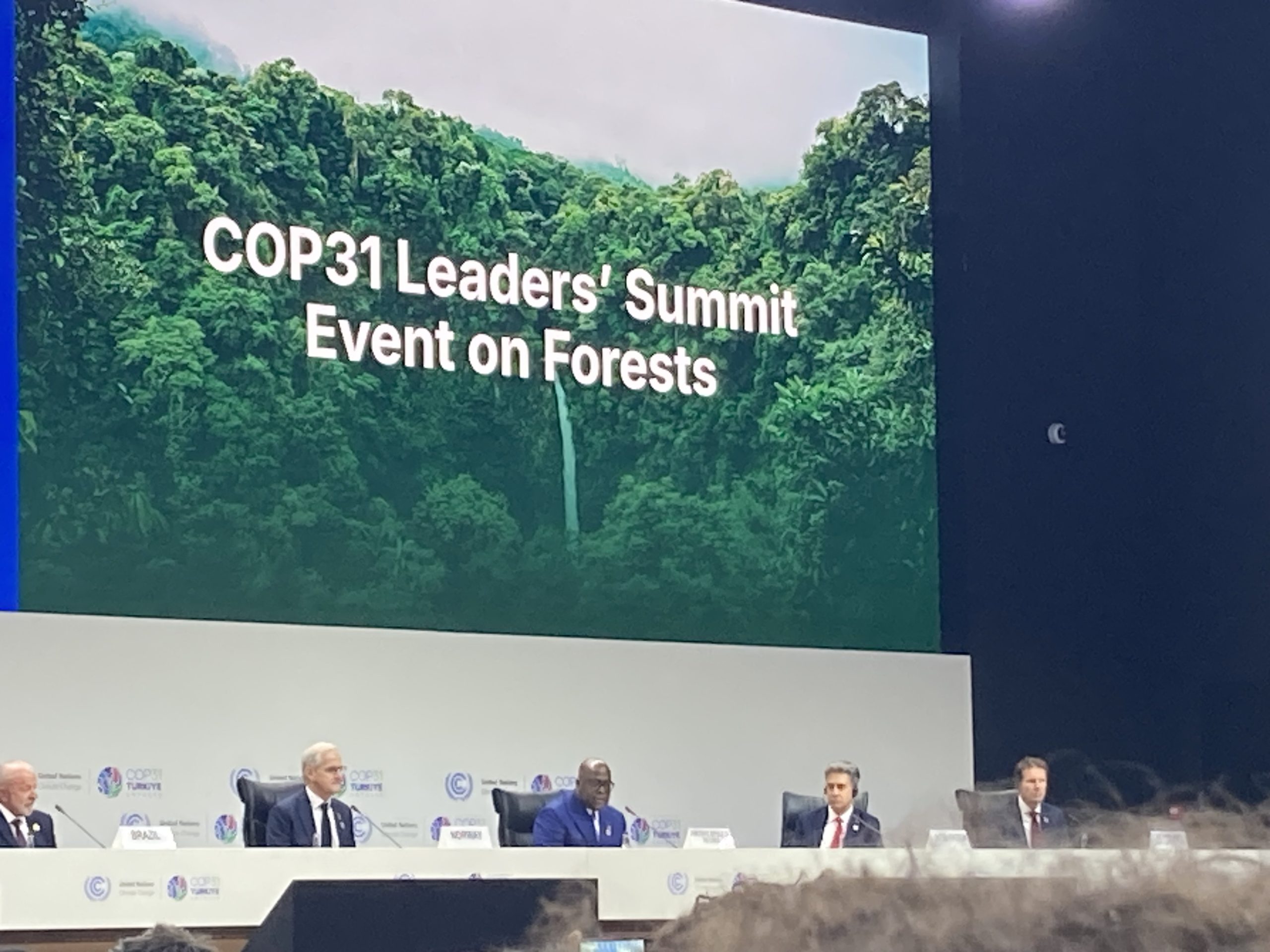
Gathered on November 11, 2026, in Antalya for the Forest Leaders Summit, on the sidelines of the official COP31 negotiations, leaders of the planet’s major forest basins met to discuss preserving the planet and conservation financing.
At the heart of the discussions is the Tropical Forest Forever Facility (TFFF), unveiled last year at COP30. While it concentrates the bulk of the financial pledges, backed by the Netherlands, philanthropy, and Canada, the mechanism highlights a deep divide. Between the hushed optimism of official podiums and the skepticism of a civil society absent from these inner circles, the contrast is striking.
Strongly Mobilized Leaders
The arrival of Brazilian President Luiz Inácio Lula da Silva indeed dominates the sequence. Warmly acclaimed for his first international outing since his re-election, he receives praise from his peers, who hail his resilience and the historic decline in deforestation in the Amazon. It has been brought down to its lowest level in four decades.
COP31: The Challenges Facing Tropical Forests – Félix Tshisekedi – DRC
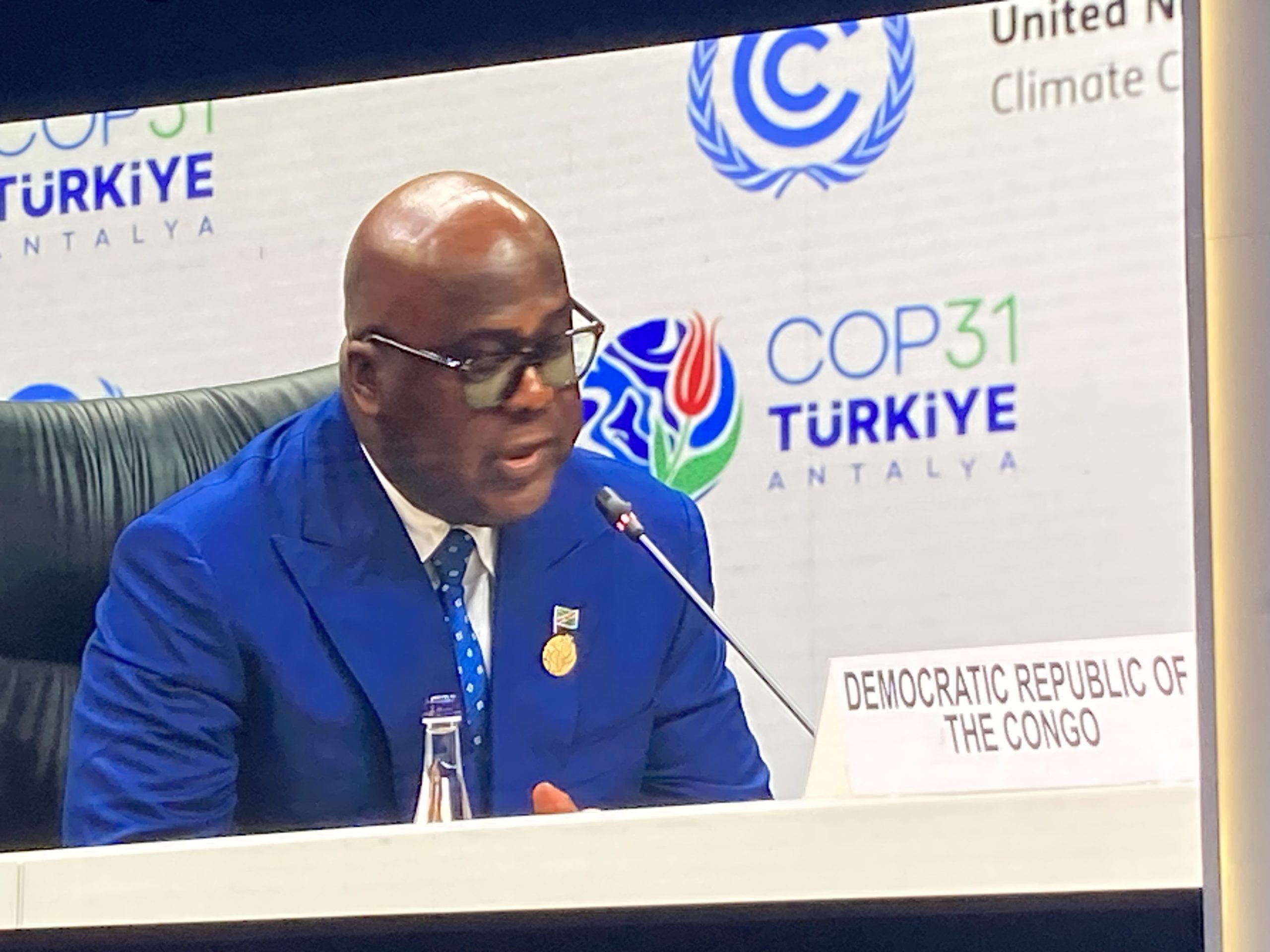
Other major voices from forest nations punctuate the event. The Democratic Republic of the Congo (DRC), through its President Félix Tshisekedi, demands true climate and social justice for Indigenous peoples, women, and youth, while praising the support of the Central African Forest Initiative (CAFI). For its part, the Republic of the Congo, represented by its Minister of Forest Economy, Rosalie Matondo, speaking on behalf of President Denis Sassou Nguesso, recalls the strategic weight of the Congo Basin in the face of advancing extractive industries. Another participant is Guyanese Vice President Bharrat Jagdeo. He recalls his country’s trajectory. Guyana manages to maintain a tiny deforestation rate (0.04%) while redistributing 20% of revenues to 252 Indigenous communities, he relates. Meanwhile, Norwegian Prime Minister Jonas Gahr Støre ratifies the renewal of Norway’s commitment to forest protection (NICFI).
The Financial Mechanics of the TFFF
But what exactly does the TFFF represent? This fund aims to trigger a change of scale. It seeks to raise $175 billion by blending public and private capital. Its objective is precise. According to experts, it involves paying approximately $4 per hectare per year to beneficiary countries. In return, the deforestation rate must remain below 0.5%. In Antalya, this financial architecture was reinforced. The Netherlands pledged to contribute up to $500 million over ten years. A coalition of international foundations has joined this effort. It brings together the Children’s Investment Fund Foundation, Conservation International, the Packard Foundation, the Moore Foundation, the Minderoo Foundation, Quadrature, The Nature Conservancy, and the Bacon Foundation. These organizations are contributing $88 million to the fund. Canada recently rounded out the package. It is providing a maximum of 560 million Canadian dollars, made official on November 15.
The Transmission of Knowledge
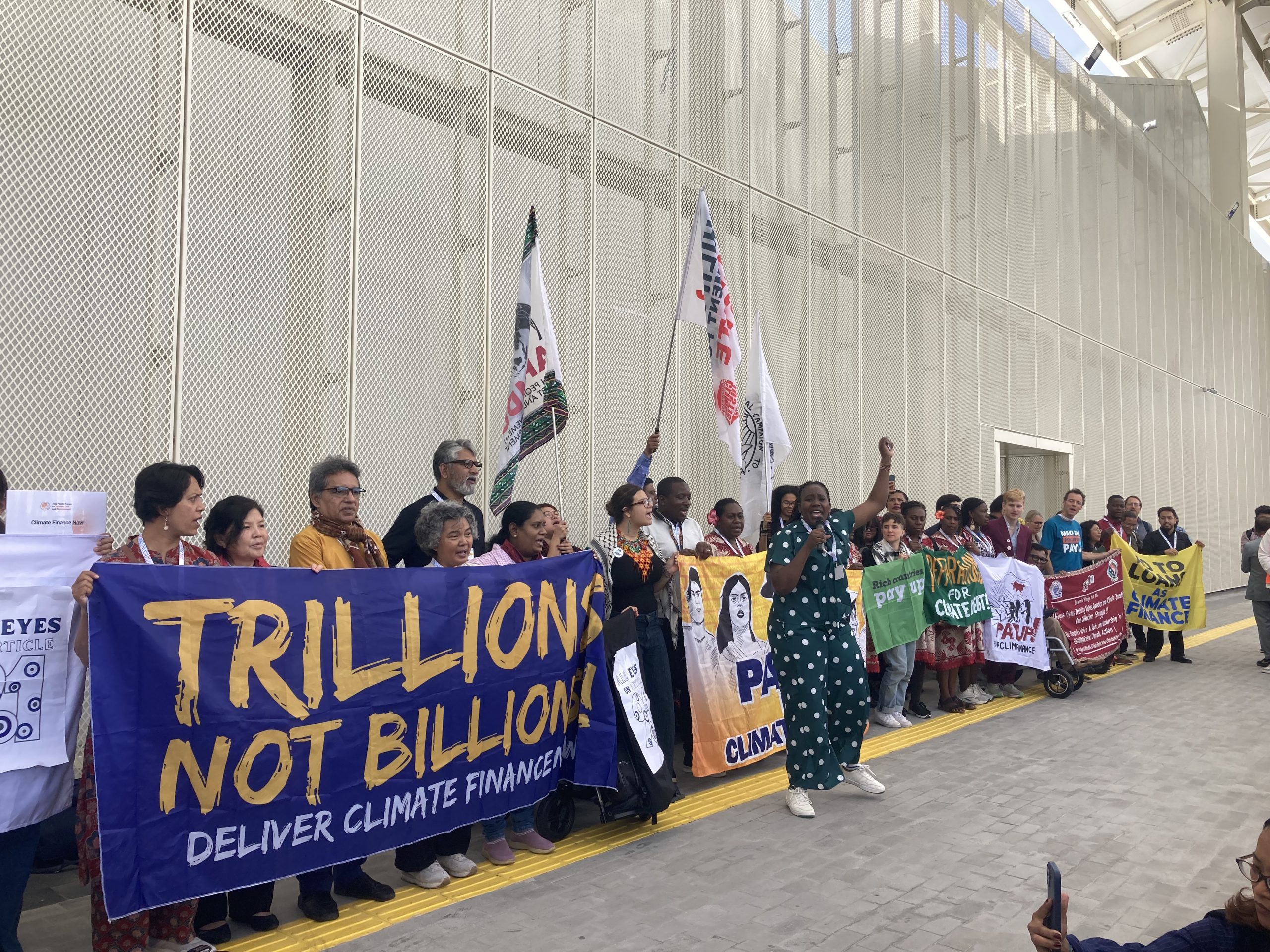
But, far from the billions on display, land defenders remind us that the sustainability of ecosystems first hinges on the legal security of land and the transmission of knowledge.

Present in Antalya, Carolina Capitu, of the Quilombola community, a researcher and analyst close to social movements, summarizes the fundamental expectation of the communities. “The National Coordination of Quilombolas is here at COP31 to demand collective land titling from the Brazilian government, an indispensable constitutional right to guarantee the security, autonomy, and justice of our communities.
Lula carries this hope: seeing our territories defended by our own hands, with the support of the State,” she explains. This quest for autonomy also involves education and the reclamation of local knowledge. Questioned on the emergence of green jobs for youth, she insists on a comprehensive approach.
“Education is our absolute priority. We advocate for a pedagogy rooted in nature (Nature-Based Education), to make the environment a living vector for learning. This involves integrating the professions of the future into school curricula, adapting our infrastructure to unite the community, and anchoring these actions in local and municipal public policies, ” she said.

Between Promises and Criticisms
Behind the diplomatic showcase, critical networks warn of the fund’s flaws. This is the case for the Indigenous Environmental Network (IEN) and the Global Forest Coalition last year in Belém. This segment of civil society points first to the payout waterfall. Private bond investors and the World Bank are reimbursed first, these NGOs inform. In the event of a financial storm, states and inhabitants would find themselves at the end of the line, they describe.
The NGOs thus lambaste the market appropriation of biodiversity. Setting a value of $4 per hectare establishes a mere market logic. This does nothing to curb the expansion of fossil fuels, agribusiness, or illegal gold mining, they specify. The other fear raised by part of civil society is the lack of transparency. It deplores window-dressing governance.
The fund’s initial presentation text ring-fences 20% of disbursements for local and Quilombola populations. Yet, their real weight in decision-making bodies remains strictly advisory. In Antalya, this summit brings to light a persistent fault line.
While political will and the influx of capital open up unprecedented horizons, the credibility of these instruments will be measured by a single yardstick. According to observers, their ability to subordinate market logic to the inalienable territorial rights of forest peoples is being put to the test.
By Houmi Ahamed in Antalya