COP31: The procedural battle is underway

COP31: The procedural battle is underway
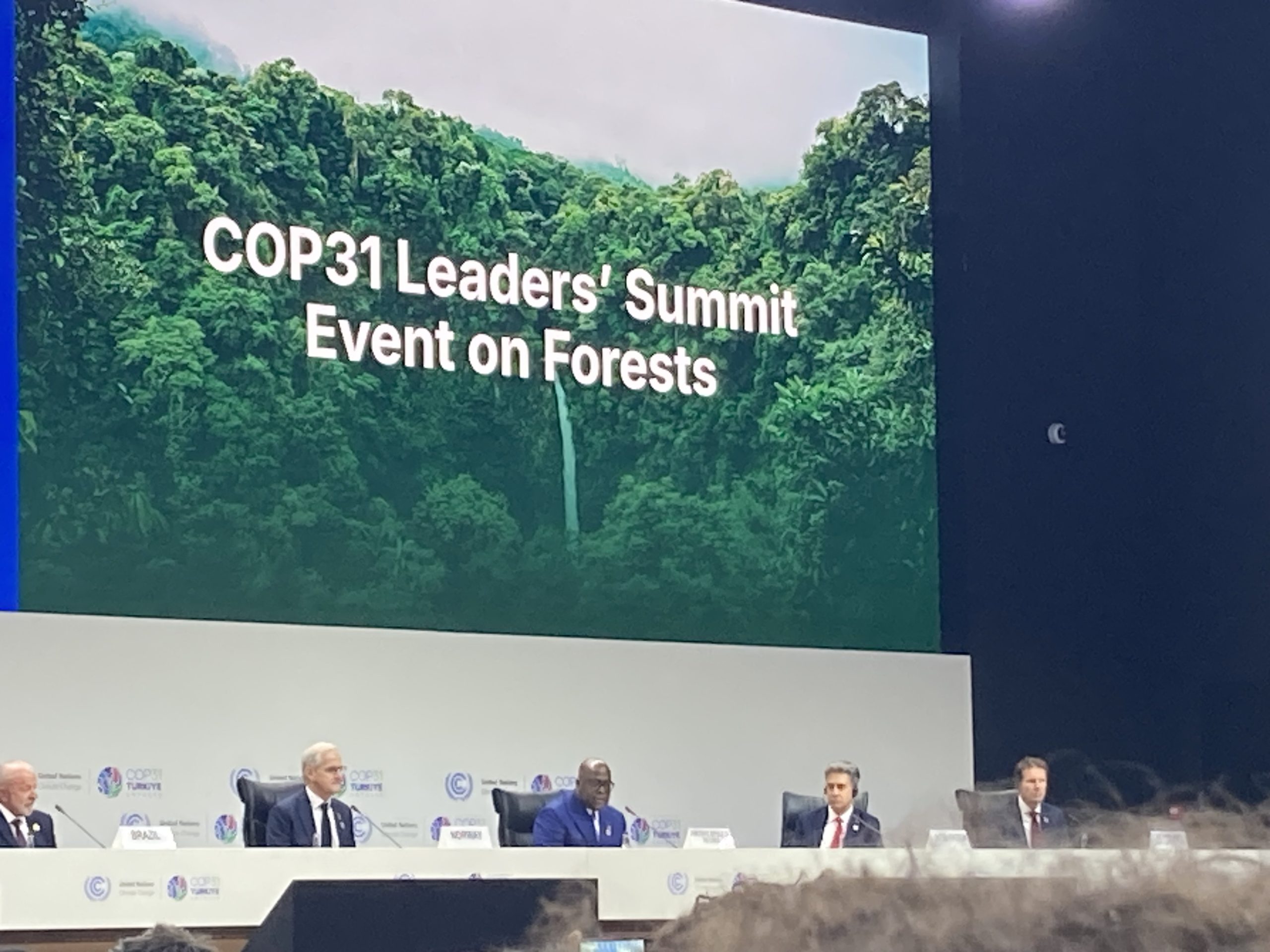
The closing plenary of the first week wrapped up around 2:30 a.m. on Sunday. “Let me remind you, we want progress for a successful COP,” COP31 President Murat Kurum announced from the outset. However, developing countries refuse to let governance reforms or second-week trade-offs be dictated from above. The procedural and political battle is underway.
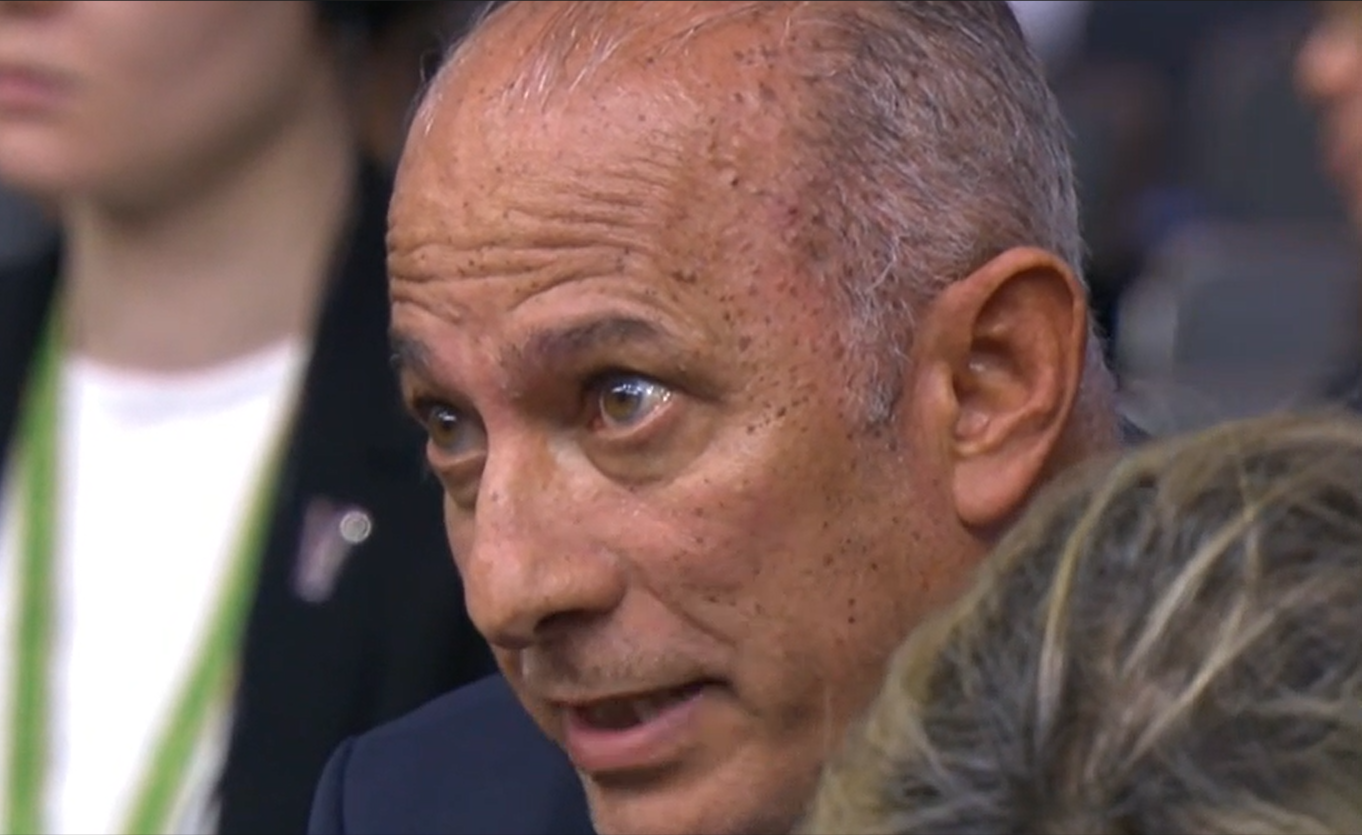
Egypt opposes “a facade agreement.” As the first African country to take the floor before the presidency, Cairo took aim at the working methods. The new consultation format put forward by the presidency does not work, with the discussion framework deemed poorly defined. Several countries from the Global South shared his point of view during the closing plenary of the first week.
“I do not see, and I disagree with anyone who says there has been convergence. There was a clear divergence on a multiplicity of issues,” Ambassador Wael Aboulmagd, former Special Representative for COP27, firmly said. The Egyptian diplomat added that “the lack of clarity on the scope, objectives, and final destination of the outcomes prevented reaching a constructive result.” He concluded: “We will find it difficult to move forward with anything that represents even a semblance of convergence.”
The Russian charge and the African echo
This offensive criticism echoes the remarks of the Russian Federation. Explaining that he had to speak exceptionally in English due to the late hour, the Russian delegate denounced the holding of the presidency consultations on the “reform and efficiency of the UNFCCC process.” He recalled that this subject had already been referred by the subsidiary bodies to June 2027 (SBI 66). “The parties did not consent to elevate these discussions to a high political level,” he cut short. The Russian delegate thus demanded that no substantial result or global decision (cover decision) stem from these consultations deemed out of mandate.

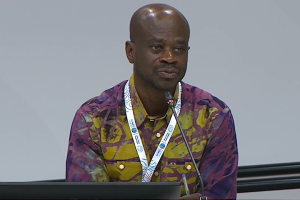
Speaking on behalf of the entire continent, the Chair of the African Group of Negotiators (AGN), Nana Antwi-Boasiako Amoah, formally backed this stance. He approved the earlier national interventions of Egypt and Saudi Arabia. “We are also of the view that efficiency is very important for any process to grow. However, as Egypt and Saudi Arabia had indicated, the current format is not going to be helpful,” he emphasized. Joined by the Arab Group and the Like-Minded Developing Countries (LMDCs), the African Group fears that such a reform will dilute the strictly intergovernmental and bottom-up character of the negotiations.
Conversely, the European Union and the Umbrella Group supported the initiative. The Swiss representative even quipped on the urgency of modernizing the institution: “The mere fact that we are here at 2 AM on a Saturday night [Sunday morning] shows that we can and must improve our process,” he noted.
An institutional labyrinth singled out
Beyond the disagreements on substance, it is the very architecture of the negotiations of this COP31 that is troubling, according to delegates. This confusion is marked by the unprecedented co-presidency between Turkey (host of the summit) and Australia (in charge of the presidency of the negotiations via Minister Chris Bowen). The Chinese delegate thus challenged the rostrum in the early morning to ask for a clarification of the hierarchy between the different levels of discussion. Several themes are intertwined.
This is the case of these themes: the ministerial “Divan”, the presidency consultations (which he qualified not without irony as a “Turkish-Australian seminar on pragmatic cooperation”), the five ministerial pairs put in place (on mitigation, finance, adaptation, just transition and the ocean) and the technical co-facilitators. In fact, this blur feeds fears of a “top-down” steering escaping the control of technical negotiators.
Another important fact is the referral of almost all sensitive files. The subsidiary bodies (SBSTA and SBI) had to refer almost all of these politically sensitive files to the presidency, from the Global Goal on Adaptation to carbon market rules (Article 6).
A turning point on adaptation finance
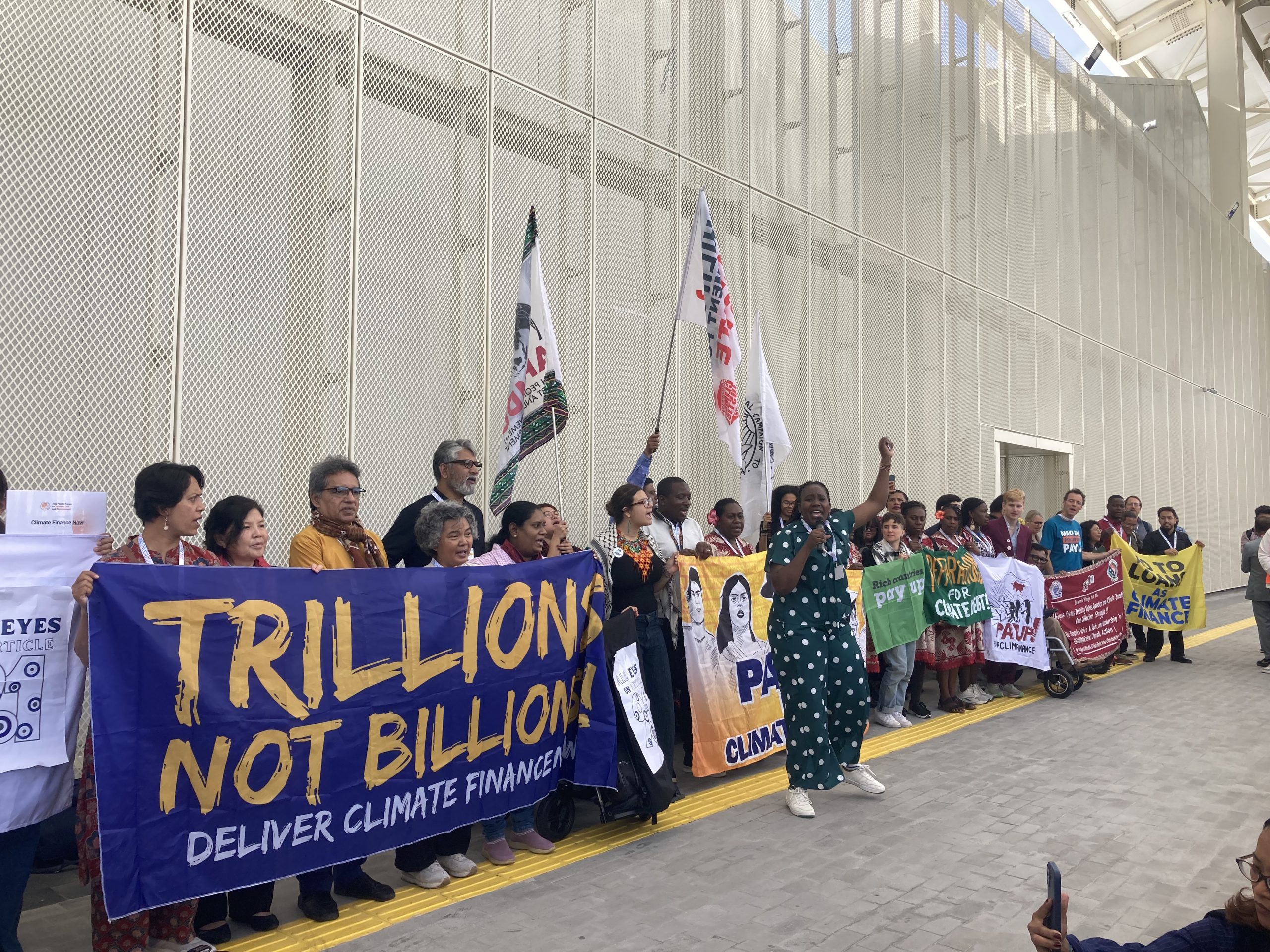
The end of this week also marks a pivotal moment for countries of the Global South on the financial front. Initially excluded from the formal agenda, adaptation financing finally imposed itself at all levels of discussion. Observers are not, however, reassured. During consultations on the Adaptation Fund and the Green Climate Fund (GCF), red lines crystallized. The African Group, the Least Developed Countries (LDCs) and AOSIS have demanded for years that these funds be paid out in the form of grants. They also demand highly concessional financing. Countries of the Global South thus denounce the increasing use of loans which weighs down the debt of vulnerable countries. For the Arab Group, the broadening of the donor base remains an absolute red line. It opposes the European Union which relies on the New Collective Quantified Goal (NCQG) to call for broadened contributions. At the dawn of this second week, the Turkish-Australian presidency is playing its credibility, according to observers. It must imperatively transform this procedural labyrinth into a political compromise before the closure of the conference, which promises to be arduous.
By Houmi Ahamed, in Antalya