Can Ghana Turn GCF Accreditation into Youth Green Jobs
Can Ghana turn GCF Accreditation into Youth Green Jobs ?
On a continent where more than 600 million people still live without reliable electricity, international climate finance often comes down to one critical question. Will the money merely fund top-down mega-projects, or will it empower young entrepreneurs to build sustainable livelihoods ? For observers at COP31, Ghana’s new Green Climate Fund (GCF) accreditation is a key test for Africa.
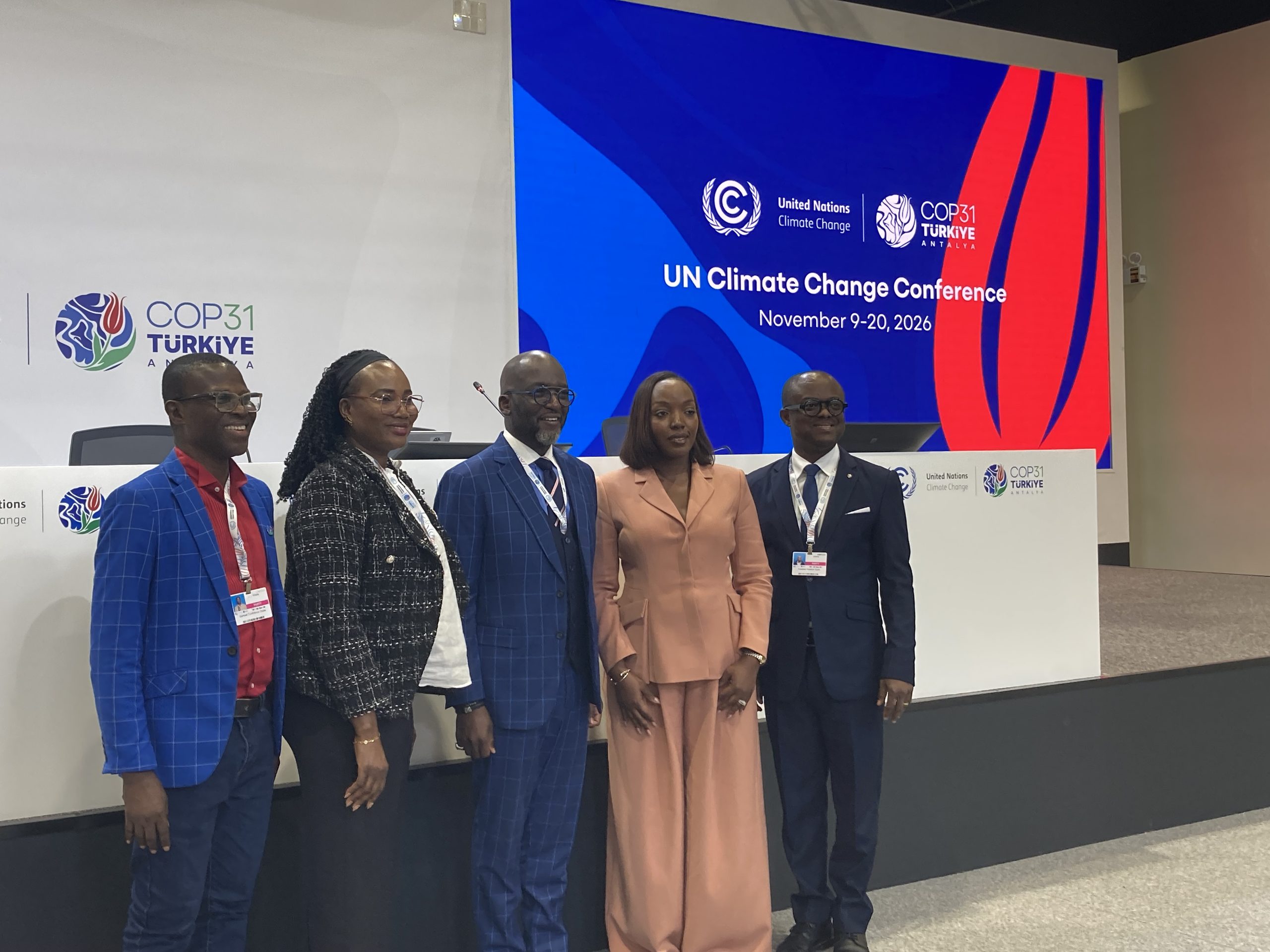
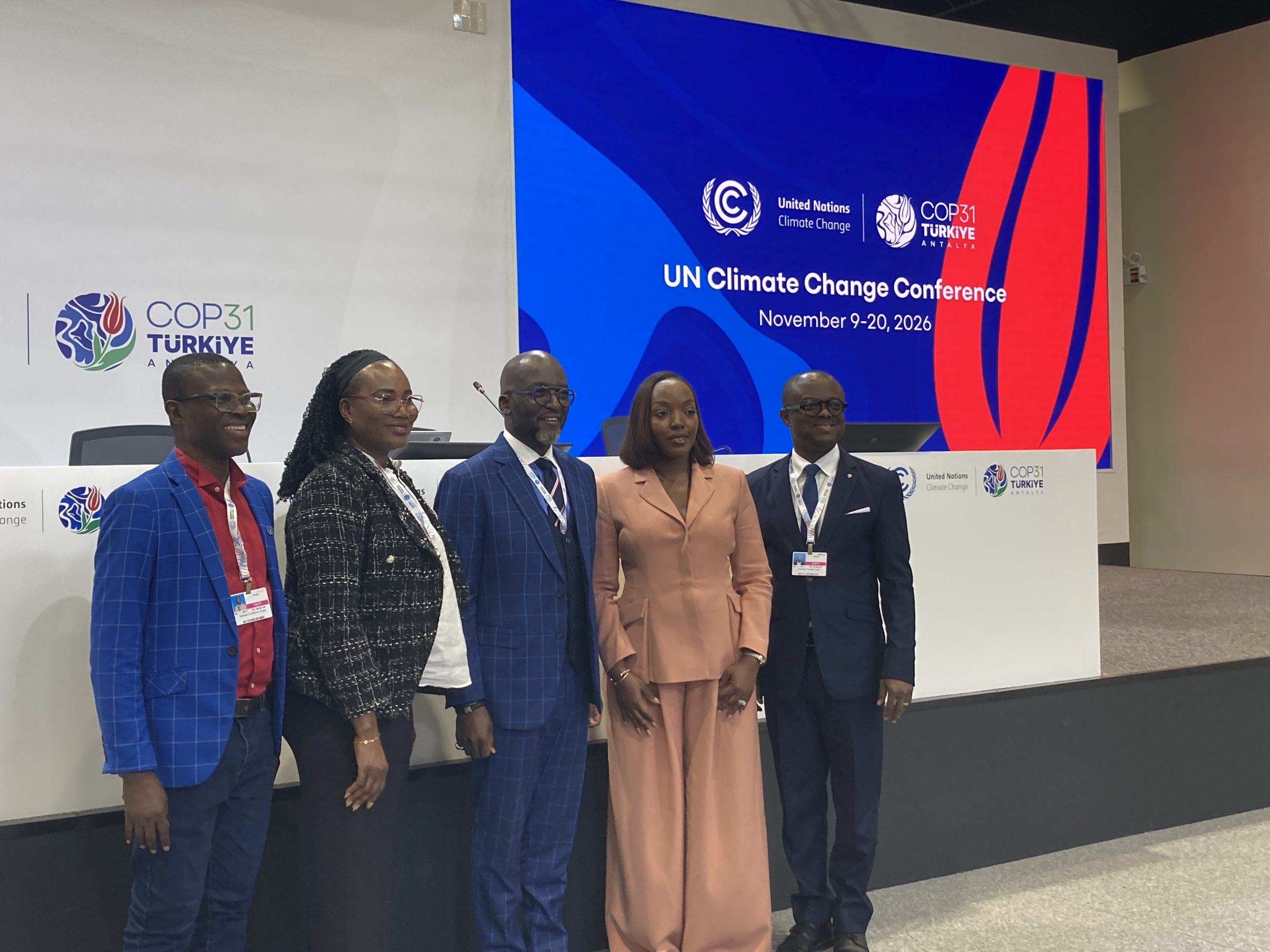
Following the GCF Board meeting
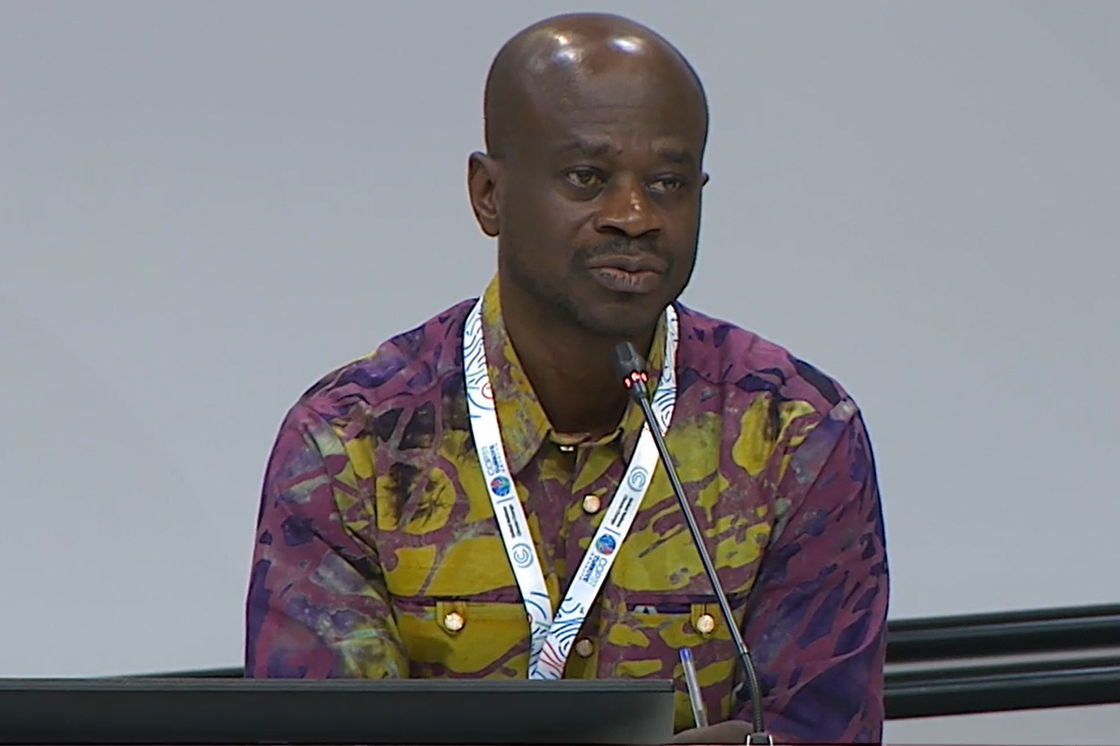
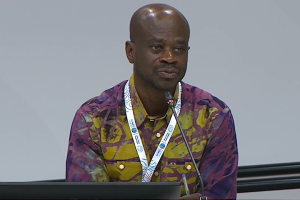
“We want to move Ghana from climate commitments to climate investments, and from climate investments to measurable development impact,” explained Nana Dwemoh Benneh, GIIF Chief Executive Officer.
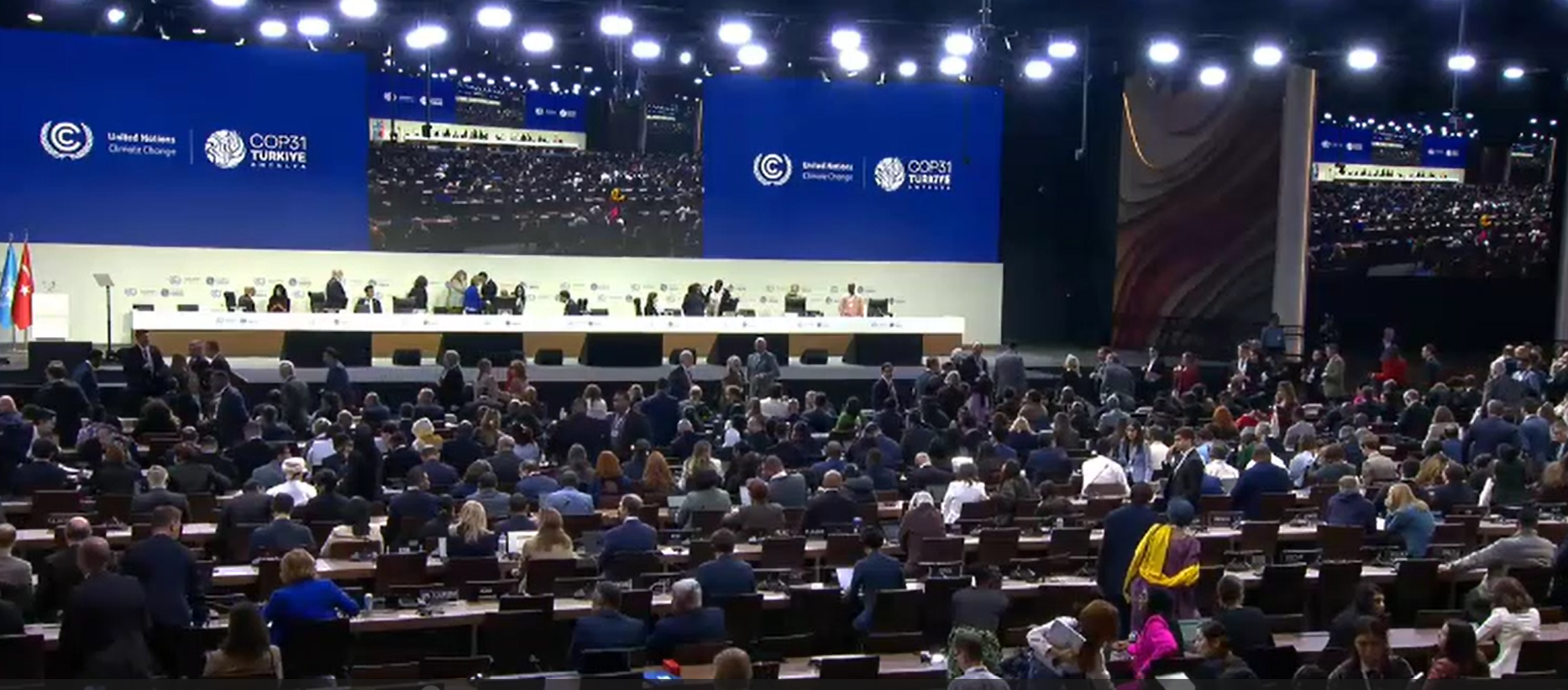
Following approval by the GCF Board at its 46th meeting in Songdo, Republic of Korea, the Ghana Infrastructure Investment Fund (GIIF) used the global stage at COP31 in Antalya to formally announce its status as a National Direct Access Entity. Rather than securing immediate project cash, this accreditation grants GIIF the institutional eligibility to bypass international intermediaries and submit climate-resilient, low-carbon funding proposals directly to the GCF, said the CEO of GIIF.
“Commitments alone will not deliver the transformation our country requires,” Benneh stated.
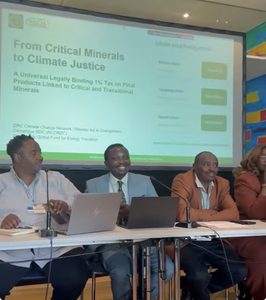
During the introductory press briefing, Nana Dwemoh Benneh and Head of Climate and Sustainability Kwadwo Kwakye Gyan outlined the initial project ideas they intend to pitch to the GCF.
Ambitious pipeline projects
Accredited under Environmental and Social Risk Category B (Intermediation 2), GIIF plans to submit proposals centered on two priority items in Ghana. One is renewable energy with commercial and utility-scale solar energy projects, which Benneh described as the “low-hanging fruit” of their initial pipeline. The other is the Volta Lake Net-Zero Corridor.
This is aligned with President John Dramani Mahama’s 24-Hour Economy strategy, they emphasized. GIIF aims to develop the 8,000-hectare arable zone around Volta Lake into a net-zero corridor. It combines multimodal water transport linked by rail to the Port of Tema. The projects also include climate-smart agro-processing parks and local pharmaceutical manufacturing.
Will young people benefit from it on green entrepreneurship?
According to Benneh, these macro-level plans will benefit young people. He pointed to three intended mechanisms. GIIF plans to team up with local banks like Consolidated Bank Ghana (CBG) to provide concessional loans for young tenants. Meanwhile, partners like the Hathor Foundation will offer green business training. Young entrepreneurs will also have the possibility to apply for GCF grants to transition into sustainable livelihoods like aquaculture.
Following the Funding
However, a press conference announcement is only the starting gun. It is not a guarantee of delivery.Ghana’s constitution empowers journalists to scrutinize public institutions and state funds. The real investigative work begins now. Accreditation is merely the first step. GIIF must still draft bankable proposals. It should pass strict GCF vetting, and win Board approval before a single dollar is disbursed, observers say. The GIIF CEO noted that getting this accreditation was a long process.
To speed up this next phase, the GCF recently selected nearby Abidjan, Côte d’Ivoire, to host its regional office for West Africa. Alongside Ghana’s National Designated Authority in Accra, this closer regional presence gives accredited entities like GIIF direct technical support to prepare and submit proposals faster.
Over the coming months, independent reporting will be essential. Journalists must track whether GIIF’s proposed solar projects break ground. They must check if local banks actually deliver concessional loans to young entrepreneurs without prohibitive barriers. Finally, they must verify that the fund follows the GCF’s strict environmental, social, and financial follow-up standards.
By Houmi Ahamed in Antalya